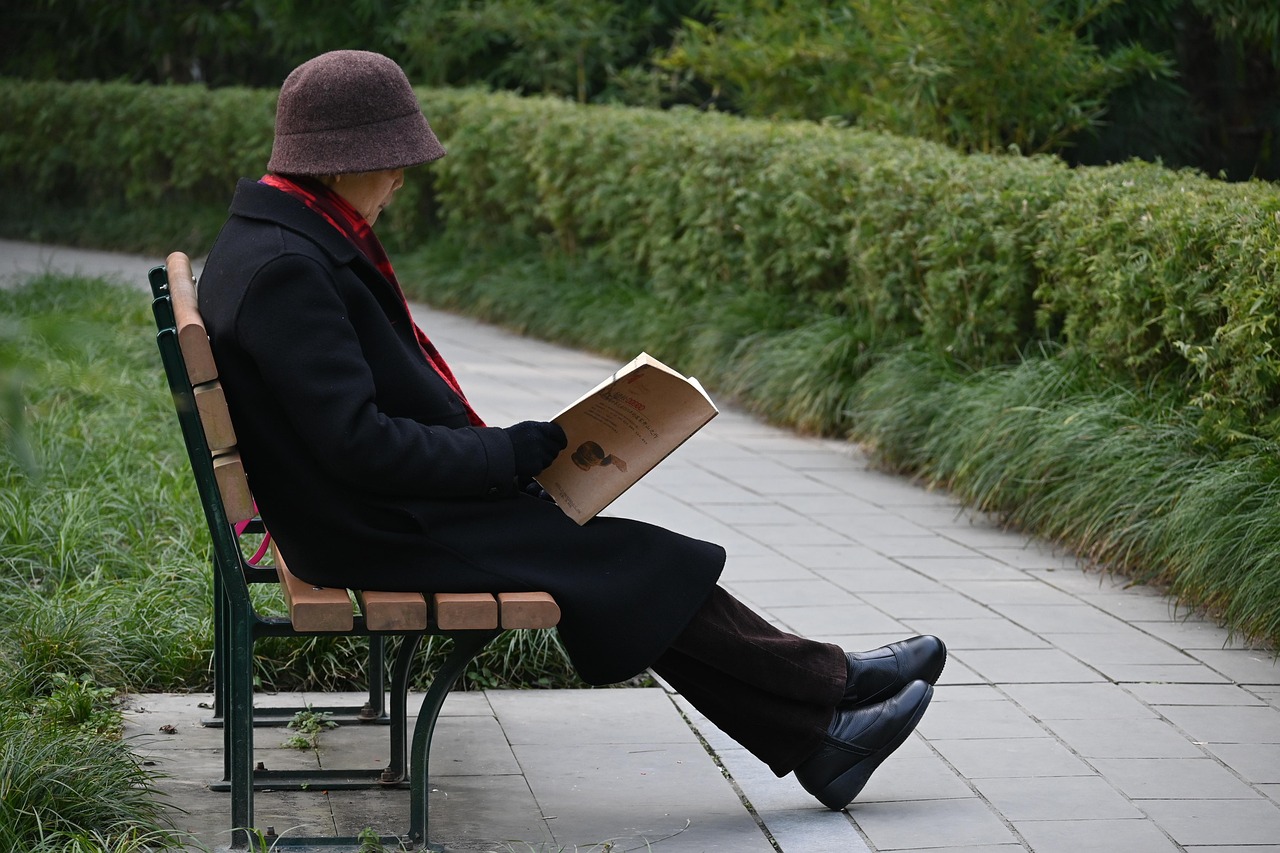
As we navigate the golden years of life, the importance of relaxation becomes increasingly paramount. Numerous studies illustrate that engaging in daily relaxation habits can significantly enhance overall well-being, particularly for seniors. With busy schedules and the responsibilities of family life, carving out time for tranquility is essential.
The Science Behind Relaxation
Research from the American Psychological Association suggests that chronic stress can lead to a host of health issues, including heart disease and cognitive decline. Dr. Ellen Langer, a psychologist from Harvard University, emphasizes that “the act of practicing relaxation not only reduces stress but also improves cognitive function.” This connection highlights the vital role of relaxation in maintaining both mental and physical health.
Personal Reflection: A Journey to Calm
At 67, Margaret Thompson found herself overwhelmed by the demands of life. After retiring from her long career as a nurse, she struggled to adjust to a slower pace. “I used to think relaxation was a luxury,” she recalls. “But I learned that it’s actually a necessity.” Margaret now dedicates 30 minutes each day to mindfulness meditation, which has transformed her outlook and health.
Setting the Stage for Relaxation
Creating a serene environment can significantly enhance relaxation. Experts recommend setting aside a specific space in your home that is quiet and free from distractions. This could be a cozy nook filled with plants, soft lighting, or your favorite chair. According to Dr. Richard Ryan, a psychologist known for his work in motivation, “Your environment plays a crucial role in your ability to relax. Surround yourself with items that bring you joy.”
Daily Relaxation Techniques to Incorporate

Integrating effective relaxation techniques into your daily routine doesn’t have to be complicated. Here are several methods that have been shown to benefit seniors:
1. Mindfulness Meditation
- Benefits: Reduces anxiety and improves focus.
- How to Start: Dedicate 10 minutes daily to sit quietly and focus on your breath.
- Expert Tip: “Start small and gradually increase your time,” recommends meditation instructor Sarah Jenkins.
2. Gentle Yoga
- Benefits: Enhances flexibility and reduces tension.
- Getting Started: Join a local class or follow online tutorials tailored for seniors.
- Insight from an Instructor: “Yoga is about more than physical movement; it’s a pathway to inner peace,” shares David Chen, a certified yoga teacher.
3. Creative Outlets
- Benefits: Stimulates the mind and fosters emotional expression.
- Activities to Try: Painting, writing, or playing a musical instrument.
- Personal Anecdote: At 72, Helen Roberts took up painting. “It became my escape. The colors and strokes allowed me to forget my worries,” she shares with a smile.
The Importance of Connection

For many seniors, social interaction is an essential component of relaxation. Studies have shown that feeling connected can lower blood pressure and boost overall mood.
Building Community
- How to Connect: Join clubs or groups that align with your interests, whether it’s gardening, book clubs, or hobbyist meet-ups.
- Impact of Connection: “Social networks are critical for emotional well-being, especially as we age,” asserts Dr. Priya Sethi, a geriatric psychologist.
Virtual Connections
- Benefits: Stay connected with family and friends through video calls or social media.
- Expert Recommendation: “Technology can bridge the gap for those who may have mobility issues,” notes tech-savvy senior advocate Tom Edwards.
Making Relaxation a Habit

Establishing a routine can help ensure that relaxation remains a priority in your life. Habit formation is essential, especially as we age. By setting clear intentions, seniors can cultivate a lifestyle that recognizes the importance of self-care.
Creating a Schedule
- Daily Rituals: Consider setting alarms or reminders for relaxation practices.
- Expert Insight: “Routines create a sense of security and predictability, which is crucial for mental health,” explains Dr. Laura E. McMillan, a clinical psychologist.
Journaling for Reflection
- Benefits: Enhances self-awareness and clarifies thoughts.
- How to Start: Spend a few minutes each evening reflecting on your day and how you felt during your relaxation activities.
- Expert Advice: “Writing can be therapeutic; it allows you to process emotions and experiences,” shares author and therapist Linda Quinn.
In Conclusion: The Journey to Relaxation

As we explore the invaluable role of relaxation in our lives, it becomes clear that incorporating these habits can lead to profound improvements in health and happiness. Remember, the path to relaxation is not a one-size-fits-all journey. It’s about finding what resonates with you and making it a part of your daily life.
With a mix of mindfulness, connection, and personal reflection, seniors can carve out moments of peace amidst life’s chaos. As Margaret wisely stated, “Relaxation isn’t just a break; it’s a vital part of living well.” So take a deep breath, embrace the moment, and begin your journey to relaxation today.